

Booking an intercity train in Korea is straightforward once you identify the operator. The confusing part for many foreign visitors is that Korea has several train types, two high-speed operators, different Seoul-area stations, and booking systems that may ask for information in slightly different formats.
This guide focuses on the practical process: which ticket to choose, where to reserve it, what to prepare as a foreign passenger, and how to board without last-minute problems.
At a glance: which train ticket should you book?
| Train or ticket type | Best for | What to know |
|---|---|---|
| KTX / KTX-Sancheon | Fast trips between major cities | Operated through the KORAIL reservation system. Common routes include Seoul–Busan, Seoul–Daegu, Seoul–Daejeon, and Seoul–Gwangju. |
| SRT | High-speed trips using Suseo Station and SRT stations | Booked through SR. SRT is not the same departure service as KTX, even when the destination is similar. |
| ITX-Cheongchun | Trips toward Chuncheon and the northeastern Seoul area | Shown as a separate train category in KORAIL searches. |
| ITX-Saemaeul / Saemaeul | Intercity routes where a slower service is suitable | Usually costs less or takes longer than a high-speed option, depending on the route. |
| Mugunghwa / Nuriro | Lower-cost or less time-sensitive journeys | Travel times and availability vary by route. Check the specific departure rather than assuming every train serves the same stations. |
| Korail Pass | Visitors planning several eligible KORAIL journeys | It is a pass product, not a normal single-trip ticket. Check its current conditions before choosing it over individual reservations. |
For a simple city-to-city trip, an ordinary reserved ticket is usually the easiest choice. Do not buy a pass automatically: compare the actual journeys you plan to take with the current pass conditions and restrictions.
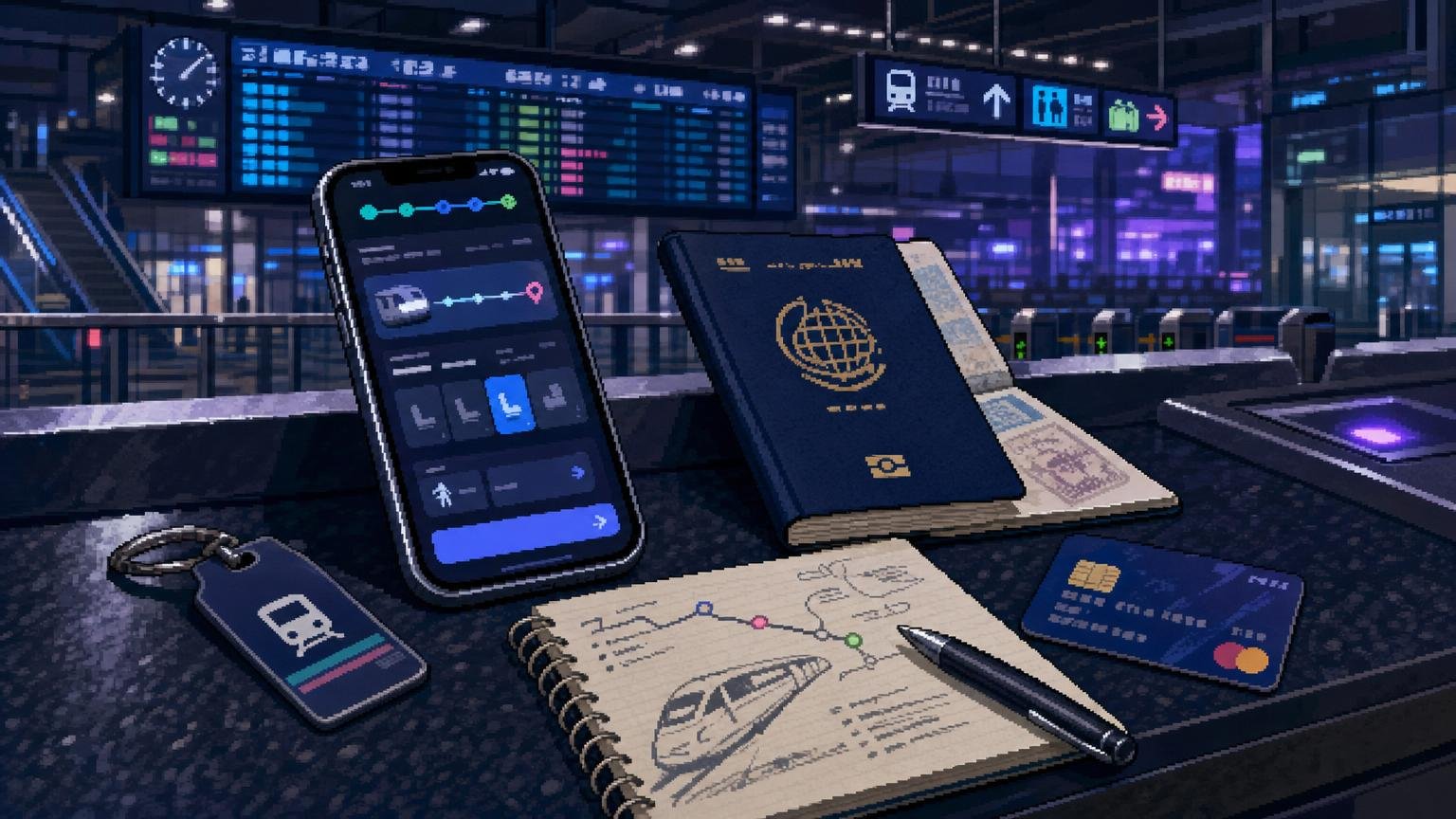
Before booking: check the operator and station
KORAIL or SR?
KORAIL handles KTX, KTX-Sancheon, ITX services, Saemaeul, Mugunghwa, Nuriro, and other KORAIL services shown in its reservation system.
SR operates SRT. SRT has its own booking and ticket-management system, although official notices indicate that KORAIL and SR digital services are being integrated. Because the app arrangement is changing, use the current official booking page and do not assume that an old SRT app instruction still applies.
Check the exact Seoul-area station
“Seoul to Busan” is not enough information to board a train. Your ticket may show one of several stations, such as Seoul Station, Yongsan Station, Cheongnyangni Station, or Suseo Station. SRT commonly uses Suseo for Seoul-area departures, while many KTX journeys use Seoul Station or other KORAIL stations.
Also check the arrival station. A train to Busan Station is not the same as a train to another station in the Busan area, and a train to Gwangju-Songjeong is not the same as a train to every Gwangju-area destination.
How to reserve a KORAIL train
1. Open the official KORAIL reservation page
Use the English version of the official KORAIL booking service. Enter the departure station, arrival station, travel date, approximate departure time, and number of passengers.
2. Choose the train category carefully
The search may show KTX, KTX-Sancheon, ITX, Saemaeul, Mugunghwa, Nuriro, or other categories. If speed matters, compare the journey time rather than selecting the first result. If price matters more, check the slower services shown for the same route.
3. Select a train and seat type
Check the train number, departure time, arrival time, journey duration, and remaining seats. Choose the available class or seat option shown by the system. For a normal tourist journey, a standard reserved seat is usually the simplest option.
4. Enter passenger and payment details
Use the passenger name exactly as requested by the booking page. Keep your passport available in case the system or station staff needs to match your identity. KORAIL’s ticket-management page provides lookup options using details such as name, email, password, credit-card information, and nationality.
5. Complete payment and save the booking
Do not stop after selecting a seat. Confirm that payment has completed and that the ticket appears in your booking or ticket-management area. Save the reservation number and keep access to the email address or payment card used for the booking.
KORAIL’s current online service may require a membership or particular login flow for some functions. If online registration or payment does not work, buying at a staffed station counter is a practical alternative. Bring the exact route, date, preferred departure time, number of passengers, and passport.
How to reserve an SRT train
1. Use the official SR English booking service
Enter the departure station, arrival station, date, time range, and passenger count. The SR booking system allows up to nine passengers in the standard search screen.
2. Confirm that the station is served by SRT
Do not choose SRT simply because it is high speed. Confirm that the departure station is convenient for your accommodation and onward transport. In Seoul, Suseo is particularly important for SRT passengers.
3. Choose the departure and seat
Review the SRT train number, departure time, arrival time, class, and seat information. If the available departure is inconvenient, search again using a wider time range rather than booking the wrong station.
4. Use the foreign-passenger ticket lookup details
SR provides a foreigner option for checking a reservation. Depending on the booking route, you may need the passenger name in English, passport number, nationality, or the contact details and password entered during booking. Record these details before closing the page.
5. Keep the live ticket available
Use the official mobile ticket or a properly issued home ticket. SR states that a screenshot of a smartphone ticket is not valid, so do not rely on a screenshot as your only ticket.
Payment and foreign-card practicalities
Official SR information states that train fares can be paid by credit card. KORAIL and SR booking screens may still behave differently depending on the card issuer, browser, 3-D Secure approval, billing-address format, or temporary payment errors.
- Use a card that permits overseas online payments.
- Keep your card issuer’s fraud-alert or approval method available.
- Try a desktop browser if a mobile checkout page repeatedly fails.
- Do not make a second purchase until you confirm whether the first payment succeeded.
- If online payment remains unsuccessful, use a staffed station counter or official ticket machine where available.
A Korean phone number is not a universal requirement for every foreign booking route, but some membership, notification, or app functions may ask for contact details. Enter the contact information accepted by the booking page and keep your reservation number separately.
What to take to the station
- Your live mobile ticket or printed home ticket
- Passport or another identity document used for the reservation
- The train number and departure time
- The exact departure station
- Your carriage and seat number
- A charged phone, especially if your ticket is digital
Station departure boards usually identify trains by train number, destination, and departure time. Korean station names may be displayed alongside English, but English information can be brief. If you are unsure, show the ticket to an information desk or station employee and ask, “Which platform?”
Onboard tips: finding your seat and handling luggage
Board the carriage printed on your ticket, then check the seat number above or beside the seats. Avoid sitting in an empty seat simply because it looks available: it may belong to another passenger boarding at a later station.
Place compact bags where they do not block the aisle or doors. Larger luggage may need to go in the designated luggage area or an overhead rack, depending on the train and available space. Keep valuables, passports, and medication with you rather than leaving them in a luggage area.
Keep the ticket accessible until you leave the arrival station. Conductors may check tickets during the journey, and the passenger name or booking details can matter for certain ticket formats.
Food and drinks are generally practical to carry on a long intercity journey, but keep the area around your seat clean and avoid strong-smelling food in a crowded carriage. Use headphones for videos and music.
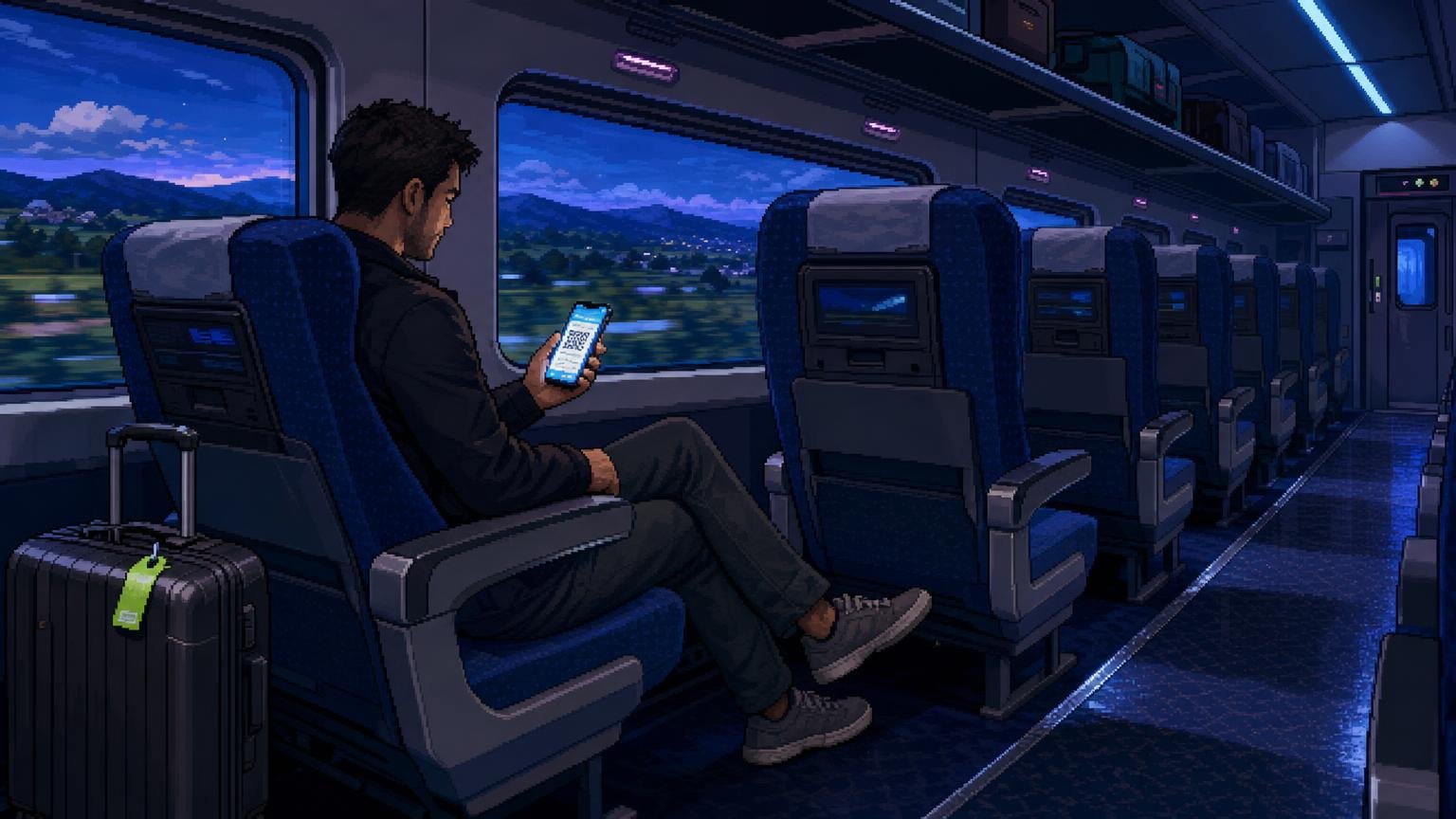
Changing or cancelling a ticket
Cancellation conditions depend on the operator, the time before departure, the day of travel, and whether the train has already departed. SR’s English ticket guidance states that tickets can be refunded online until the departure time printed on the ticket; after departure, station handling may be required, and refunds are not available after the printed arrival time. Cancellation charges increase as departure approaches, with different treatment for weekdays and weekends or public holidays.
KORAIL’s exact change and refund process can depend on how the ticket was purchased. Use the same official website, app, or station channel used for the booking whenever possible. Do not assume that missing the train automatically gives you a free refund.
If you need to change your plan, act before departure. Save a copy of the original reservation information until the replacement ticket is confirmed.
Common mistakes and quick fixes
Booking KTX when SRT is more convenient—or the reverse
Compare the departure station first. A slightly faster train may create a longer local transfer if the station is far from your hotel.
Choosing the wrong station with the same city name
Read the full Korean or English station name on the ticket. Check it again before leaving your hotel.
Assuming a payment error means no ticket was issued
Check your email, booking history, and card authorization before trying again. Duplicate bookings are harder to fix than a delayed checkout.
Saving only a screenshot of a mobile ticket
Use the live ticket in the official service. SR specifically warns that a captured smartphone ticket is not valid.
Arriving at the station at the scheduled departure time
Arrive early enough to find the correct concourse and platform, especially at a large station or when carrying luggage. A practical buffer is around 15–20 minutes, with more time if you need to collect or change a ticket.
Relying on an unreserved seat without checking the ticket conditions
Some products or situations may involve standing, free seating, or limited availability. If you need a guaranteed seat, book a normal reserved ticket and confirm the carriage and seat number.
FAQ
Do foreigners need a Korean phone number to book an intercity train?
Not necessarily. The requirement depends on the operator and booking route. Some account or notification functions may request a phone number, while foreign-passenger ticket lookup can use passport and reservation details. If the online process blocks you, use a staffed station counter with your passport.
Can I buy a KTX ticket at the station on the same day?
You can check availability at the station, but a specific departure may be sold out, especially on weekends, public holidays, popular travel dates, and around major Korean holidays. Reserve ahead when your schedule is fixed.
Is SRT the same as KTX?
No. Both are high-speed train services, but they use different booking systems and may use different stations. Compare the station as well as the travel time and fare.
Do I need to print my ticket?
Not always. A valid mobile ticket may be enough, but use the official live ticket rather than a screenshot. A printed home ticket is another option where the booking service issues one.
Can I change my seat after booking?
It depends on the operator, ticket status, and remaining seats. Use the official change function before departure when available. Otherwise, ask at a station counter rather than changing seats informally onboard.
What happens if I miss my train?
Do not assume the ticket remains valid for the next departure. Check the operator’s current refund or change rules and speak with station staff as soon as possible.
Should I buy a Korail Pass instead of individual tickets?
Only if you plan enough eligible KORAIL travel for the pass conditions to make sense. For one or two intercity journeys, compare the current individual fares and pass restrictions before deciding.