
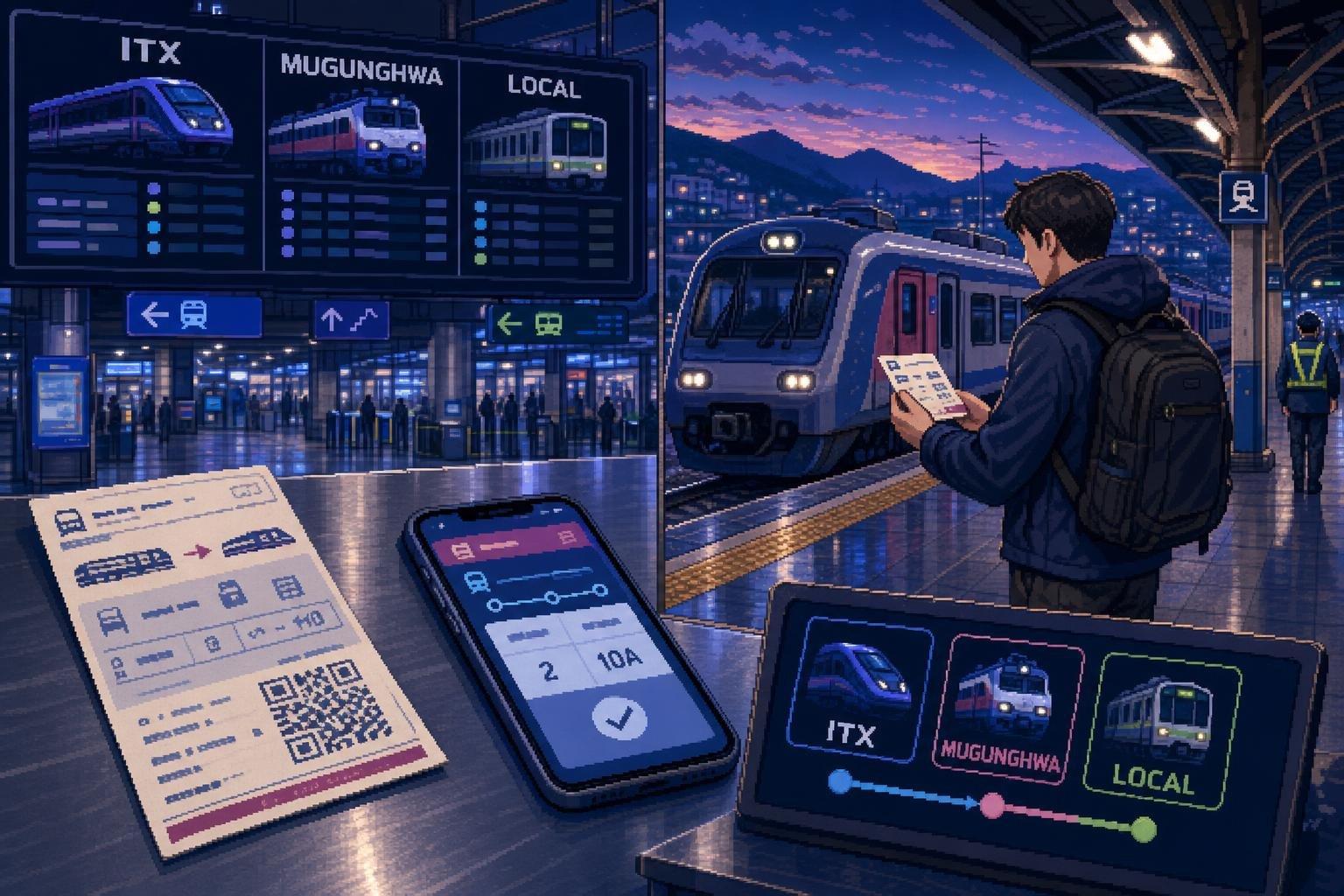
Many international visitors understand KTX but become confused when a route search shows ITX, Mugunghwa, Nuriro, or another regular train. These services are not simply different names for the same train. They can use different routes, make different numbers of stops, and appear under different categories in the booking system.
This guide focuses on using Korea’s regional and intercity trains as a foreign visitor: how to choose the right service, how to search and book, what to do at the station, and how to handle smaller local stations where English information may be limited.
At a glance: which train should you choose?
| Service | What it is useful for | What to expect |
|---|---|---|
| ITX-Cheongchun | Travel between Yongsan and the Chuncheon area | Regional reserved-seat service on the Gyeongchun route |
| ITX-Saemaeul | Longer regional journeys where it is offered | Premium conventional train with reserved seating |
| ITX-Maum | Selected conventional intercity routes | Newer general train; availability depends on the route and date |
| Mugunghwa | Lower-cost travel and smaller towns | Slower than ITX or KTX, but often serves more stations |
| Nuriro and other regular services | Selected regional routes | Check the exact train shown in the booking results; routes are not nationwide |
| Metropolitan or local rail | Short journeys within a metropolitan railway network | Different ticketing system from most reserved intercity trains |
KORAIL’s official booking search lists conventional services such as ITX-Cheongchun, ITX-Saemaeul, Nuriro, and Mugunghwa. The current KORAIL train information pages also list ITX-Maum as a general train service. The exact trains available depend on your stations and travel date.
What the train names mean
ITX
ITX means “Intercity Train Express.” It is a group of conventional intercity services rather than one single route. The most important difference for a traveller is that the name after ITX tells you which service you are looking at.
- ITX-Cheongchun: mainly associated with the Yongsan–Chuncheon route.
- ITX-Saemaeul: a reserved-seat regional train used on selected conventional main-line routes.
- ITX-Maum: a newer conventional train used on selected routes and schedules.
Do not assume that every ITX train goes to the same destinations. Always check the full departure and arrival stations in the search result.
Mugunghwa
Mugunghwa is a conventional intercity train that generally stops more often than KTX and many ITX services. It can be useful when your destination is a smaller town or when a faster service does not stop at the station you need.
A longer Mugunghwa journey can take noticeably more time, but the service may provide a practical direct connection without changing trains. It is especially important to compare the arrival station, not just the city name. One city may have several stations, and the most convenient station for your accommodation may not be the fastest option shown.
Nuriro and other local services
Nuriro and other regular KORAIL services appear only on selected routes. They may be useful for shorter regional journeys, but they are not a universal substitute for the subway or city buses.
When a booking result shows a train you do not recognize, check three things before paying: the train type, whether a seat number is assigned, and the final arrival station. If the result is listed in KORAIL’s intercity search, follow the ticket conditions shown for that specific service.
How to search for the right train
1. Search the exact stations
Enter the station where you will board and the station where you want to get off. Searching only for a city can produce several possible stations or a result that is far from your intended area.
Common examples include Seoul Station, Yongsan Station, Cheongnyangni Station, Busan Station, and Gwangju-Songjeong Station. Be careful with similar English spellings and with stations that serve different railway lines.
2. Select the date and approximate departure time
Use the official KORAIL search to see the current timetable for your travel date. Timetables are not identical every day, and regional services may have fewer departures than KTX.
KORAIL and Korea Tourism Organization information state that tickets can generally be booked from one month before departure. The exact opening time and cut-off can vary by booking channel or special travel period, so confirm the current notice shown by KORAIL when your booking window opens.
3. Compare the train type and arrival time
Do not choose only by the lowest fare. Compare the train type, total travel time, number of stops, departure station, arrival station, and whether a transfer is required.
For a smaller destination, a direct Mugunghwa may be easier than a faster train followed by a complicated local connection. For a popular route, an ITX service may be worth choosing if the departure time and arrival station are convenient.
4. Check the seating information
Most intercity bookings show a coach and seat number. If the booking result says standing or non-reserved, read the conditions carefully before confirming. A seat number is easier for first-time visitors, especially when travelling with luggage.
Online booking may allow you to choose a seat, although the available seats depend on the train, route, booking channel, and how close you are to departure.
5. Save the completed ticket
Keep the booking confirmation and ticket accessible on your phone. Save a screenshot only as a backup; use the current ticket display or official booking record when required.
Keep your passport and the payment or booking details available in case station staff need help locating the reservation. If an online payment fails, do not repeatedly submit the same payment without checking whether the first attempt was completed.
Where foreigners can buy tickets
Official KORAIL website
The official KORAIL website provides an English booking route for international visitors. Use it when you want to check several train types, reserve in advance, or compare direct and transfer journeys.
The English booking interface is useful for route searches, but some notices and station information may still appear in Korean. Copy the Korean station name or take a screenshot of the departure and arrival details if you need to ask for help.
KORAIL app
The KORAIL app can be convenient when you already have your itinerary and want to keep tickets on your phone. App menus and payment steps can change after updates, and access may depend on your device, account, and payment method.
You do not need to use the app if the website works for you. For a single regional journey, booking through the official website or buying at a staffed station can be simpler.
Station ticket office
A staffed ticket office is a practical backup when the website does not accept your payment, you are unsure which station to choose, or you need help with a transfer.
Prepare a note showing:
- departure station
- arrival station
- travel date
- preferred departure time
- number of passengers
- one-way or return travel
You can show the information on your phone. Saying the station names in Korean can also help. For example, “Seoul” is 서울, “Busan” is 부산, “Yongsan” is 용산, and “Chuncheon” is 춘천.
Ticket machines
Some stations have multilingual ticket machines, but the available language options and functions vary by station. A machine may be useful for a simple same-day purchase, but a ticket office is usually better if you need a particular train type or a transfer itinerary.
How to use the station on the day
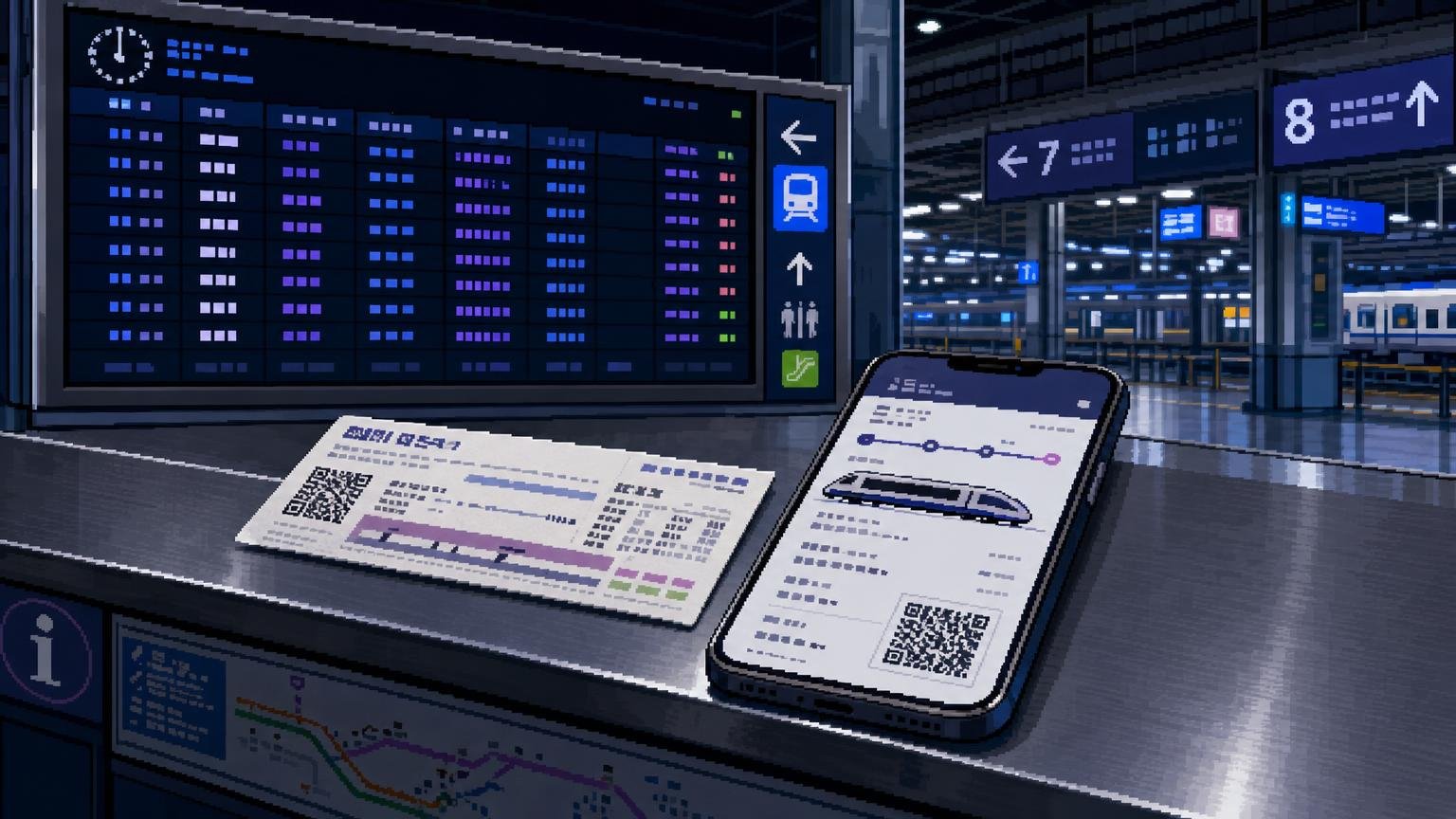
Regional and intercity train stations do not always work like subway stations. You normally do not tap a transportation card to enter the platform for a reserved intercity journey. Instead, find the train information display, confirm your train number and departure time, and follow the signs to the platform.
- Arrive early enough to orient yourself. Large stations can have several entrances, concourses, and platform areas. A smaller station may have fewer services but less English signage.
- Check the train number. The destination alone is not enough because several trains may leave for the same general region.
- Confirm the platform. Platform information may appear shortly before departure or change because of railway operations.
- Board the correct coach. Your ticket normally shows a train number, car or coach number, and seat number.
- Keep your ticket available. Staff may check tickets onboard. Stay in the assigned seat unless staff explain otherwise.
At smaller stations, the train may stop only briefly. Have your luggage ready before arrival and check that you are boarding the correct service. If you are unsure, show your ticket to station staff or another passenger and ask, “Is this train to [station]?”
Fares, payment, and booking timing
There is no single fare for ITX or Mugunghwa. The amount depends on the route, distance, train type, passenger type, and any current fare policy. Check the fare displayed in the official booking result rather than relying on a travel blog or an old screenshot.
KORAIL’s international booking information states that regular tickets can generally be purchased from 07:00 one month before the intended departure date. The online booking cut-off shown by KORAIL is generally earlier than the station cut-off, while ticket machines can have their own cut-off. During holidays, special booking periods, or service disruptions, different rules may apply.
For a popular weekend or holiday journey, book as soon as the correct date becomes available. For a less busy regional journey, same-day purchase may be possible, but do not assume that a seat will remain available.
Foreign-card payment can depend on the card issuer, security checks, the booking channel, and the current KORAIL payment system. If your card is rejected online, try the official station ticket office rather than assuming that the train is sold out. Check your bank app before attempting a second payment.
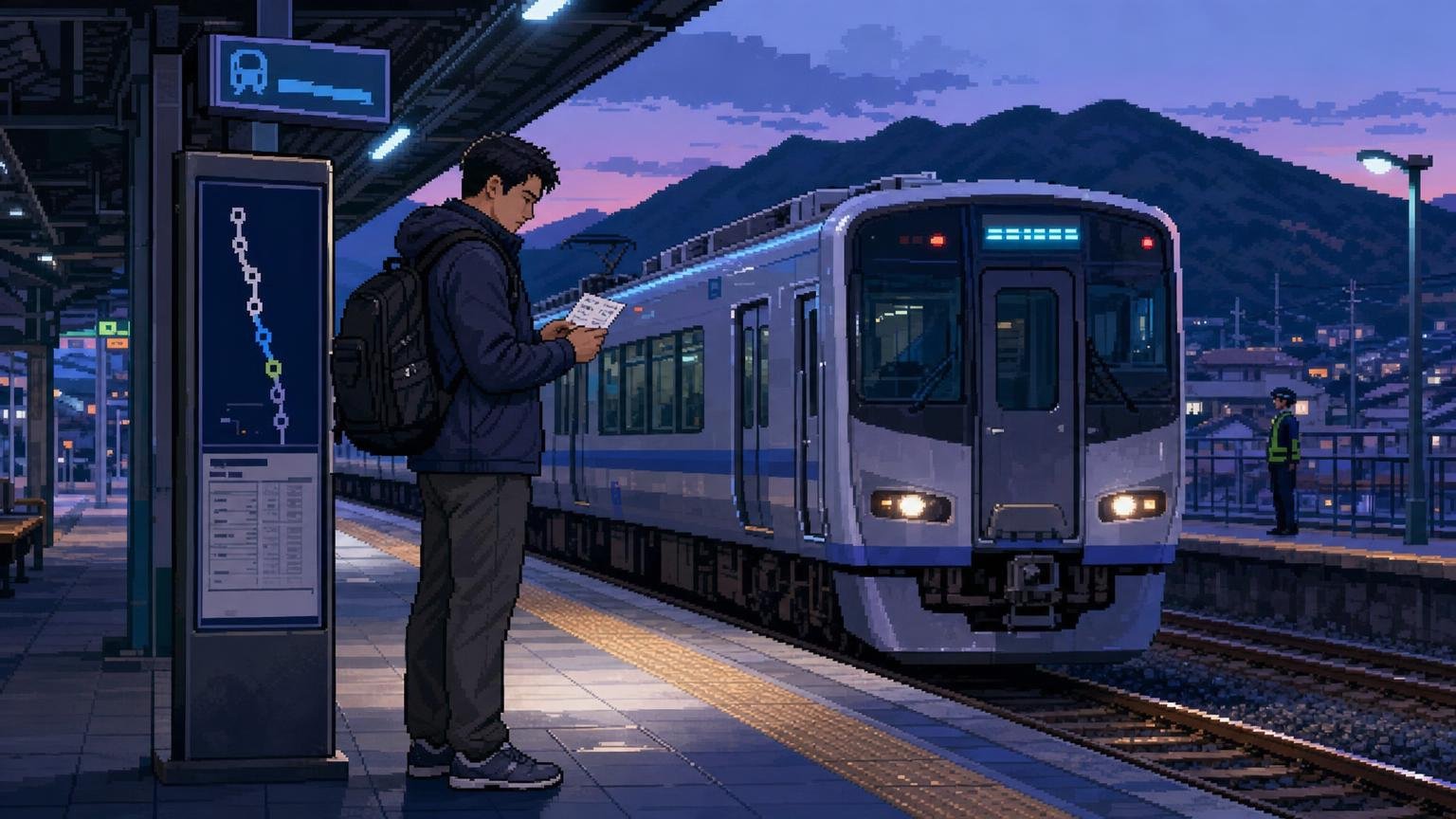
Choosing between ITX, Mugunghwa, and a local connection
Choose ITX when:
- the service stops at the station you need;
- the departure time is convenient;
- you want a newer or faster conventional train;
- you prefer a shorter journey but do not need KTX;
- you want to reserve a specific seat in advance.
Choose Mugunghwa when:
- your destination is a smaller station;
- the direct train avoids a difficult transfer;
- the slower journey fits your schedule;
- you are comparing price and travel time rather than choosing the fastest train.
Choose a local or metropolitan connection when:
- your destination is served more frequently by a local railway;
- you are travelling a shorter distance near a major city;
- the intercity train stops at a station that is inconvenient for your final destination.
Remember that “local service” can mean different things. A KORAIL regional train, a metropolitan railway service, and a city subway may use different tickets and payment rules. Do not assume that an intercity KORAIL ticket covers every local connection after you arrive.
Common mistakes and how to fix them
I searched for a city but cannot find the station I need.
Try the exact station name rather than the city name. Check a map and confirm whether the station is in the city centre, at the edge of the city, or in a neighbouring municipality.
The search shows KTX but not ITX or Mugunghwa.
Check the train-type filters and try a wider time range. Some services do not operate every hour, and some routes have only selected daily departures. If no result appears, the service may not operate between those two stations on that date.
Can I use a T-money card for an ITX or Mugunghwa journey?
Do not treat these trains like ordinary subway or city-bus travel. Use the ticketing method shown by KORAIL for the specific intercity service. A transportation card is not a substitute for a reserved intercity ticket.
I bought a ticket but cannot find the platform.
Check the station display using the train number and departure time, not only the destination. If you still cannot find it, show the ticket to station staff and ask for the platform number.
My online payment failed. Should I book again?
First check your email, KORAIL booking history, and bank app. If no ticket was issued, try another official booking channel or visit the station ticket office. Avoid making repeated payments before confirming the first attempt.
Can I change or cancel the ticket?
Refund and change conditions depend on the booking channel, ticket type, timing, and current KORAIL policy. Open the booking record and read the conditions before cancelling. If you booked through a third-party service, follow that provider’s rules.
What may be different
Train availability, departure times, fares, seat-selection options, payment screens, refund conditions, and station facilities may change by route, date, operator, booking channel, holiday period, or app update. ITX-Maum, ITX-Saemaeul, Nuriro, and Mugunghwa are not available on every line. Some smaller stations have limited staffing, fewer ticket machines, or less English information.
Always check the current result in the official KORAIL booking system. If the web and app show different information, use the booking channel that will issue your ticket and confirm the final details before payment.